
When people think about technology, especially programming, they understand it through the lens of building construction. They even use the term “engineering” - Software Engineering - and call practitioners Software Engineers.
The analogy makes sense at first. You build software from foundational components (like bricks), extend it with additional features (like pipes and vents), and add finishing touches (windows). But the similarity ends quickly.
When construction engineers finish their work - even after years of building - they run final tests (load tests on bridges, leak tests on pipes, electrical inspections). Once those pass, they hand the building to its owner. The engineer’s job is done. The owner becomes responsible for maintenance and repairs.
Software is fundamentally different. On one hand, software engineers face fewer consequences than construction engineers. A bug in software might be excused in ways a structural failure never would be (with rare exceptions in aviation or automotive industries). “It’s a software bug”, people say, and everyone moves on. But here’s the real difference: software is never truly finished. Even if your application never changes, its environment will. Operating systems evolve. Security vulnerabilities emerge in dependent libraries, forcing updates. From this perspective, software development resembles gardening far more than construction.
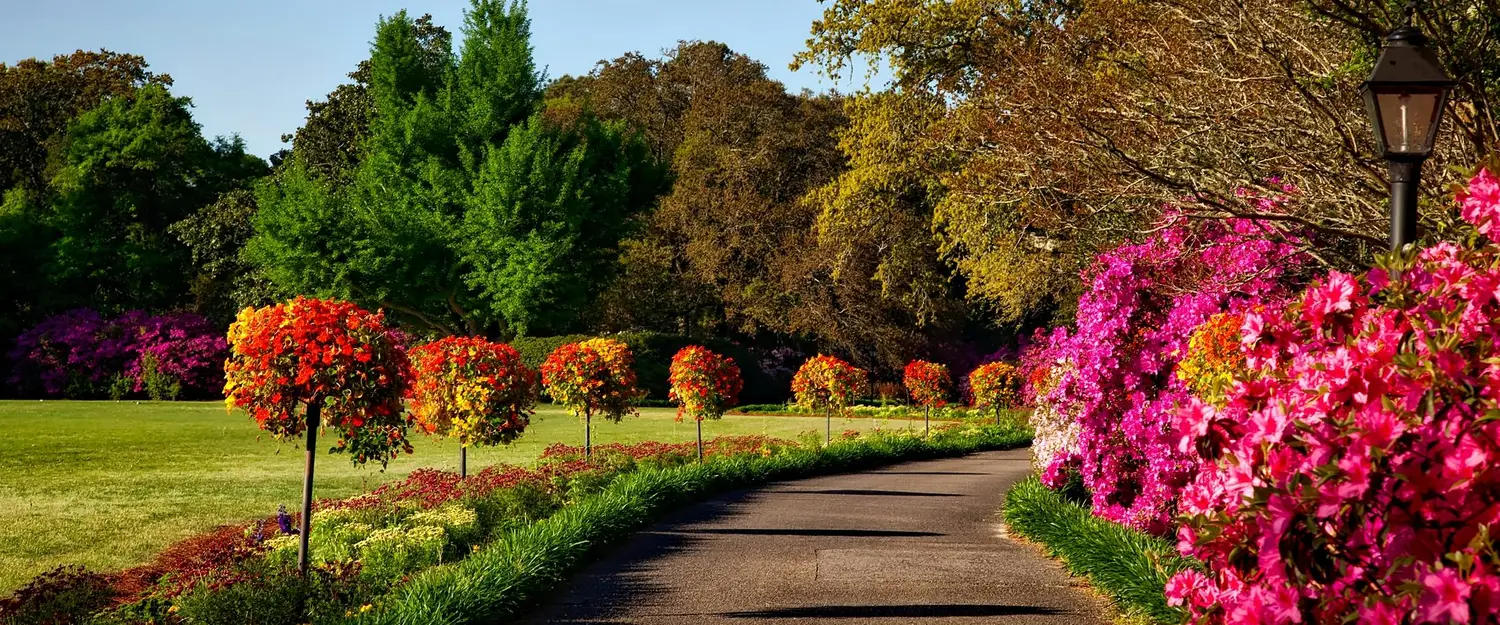
In gardening, you start with a vision: flowers here, trees there, grass everywhere. But you cannot plant seeds and walk away. You must water regularly, prune overgrowth, remove weeds. You’ll discover that some plants thrive together while others compete. You might move shade-loving plants closer to a tree and sun-seekers to the garden’s center. Throughout the seasons, unexpected challenges might arise, like pests or disease - demanding immediate attention.
Gardening is never done. Neglect it, and your garden becomes an overgrown thicket. Reclaiming it becomes exponentially harder. Software maintenance follows this exact pattern. It requires constant care, and the cost of abandonment grows quickly. It’s usually starts with a bit of technical debt, but end as a legacy software no one wants to work on.
Every well-maintained software project, like every tended garden, can become something remarkable. Both hold beauty and charm when treated with intention.
This “digital gardening” philosophy feels especially relevant for small, personal websites - spaces often more meaningful to their creators than to anyone else. It’s about cultivating a corner of the web that is entirely yours. While exploring this idea, I’ve read a post about the “indie web with a small i” . The author reflections resonated in me. Summing it up: you don’t need to master all the technical complexities of the formal “IndieWeb” movement (I might still try 😉) to embrace its spirit. At its core, it simply means owning your domain, your content, and having genuine fun with it.
This philosophy matters now more than ever. For years, small websites have been overshadowed by platforms like Stack Overflow, Reddit, and corporate blogs. Now, with AI-driven search summaries, our gardens face a new threat: invisibility. Search engines increasingly answer questions directly, stealing traffic without sending visitors to the source. Our carefully tended work may never be discovered.
So what’s the answer? Do we retreat into our gardens and write only for ourselves?
I don’t think so. Here’s where another IndieWeb concept becomes a powerful strategy: POSSE , which stands for Publish (on your) Own Site, Syndicate Elsewhere.
The idea is elegantly simple yet profound. Your website - your digital garden - is the canonical home for everything you create. You post articles, thoughts, and photos there first. Then you share links to that content on other platforms. Rather than handing your best work directly to corporate algorithms, you invite people back to the space you control. I’m doing that for years, I just didn’t know there’s a name for that 😁
This isn’t about chasing traffic for monetization. It’s about building genuine connection. It’s a way to find your community, your little corner in a web owned by big platforms. By syndicating your content to platforms like Mastodon or Bluesky - which prioritize community and conversation - you plant seeds that guide thoughtful readers back to your garden. You engage where you choose, on your terms.
And that’s the heart of it. The future of the personal web isn’t winning an impossible SEO battle against AI. It’s redefining what success means. It’s the quiet satisfaction of tending your own digital space, owning your words, and using them to build authentic connections within communities you value. It’s choosing to be a gardener, not merely a content producer.
PS
A little spoiler - before I finished writing this article, I already changed markup of my blog’s theme to follow IndieWeb recommendations . I will write about it soon.
Enjoyed this post?